
97.2
Science in the Spotlight: Unveiling the Unseen
Image 1: A man wearing a suit and hat is invisible. Image courtesy of Flickr. A Review of Invisibility: The History and Science of How

Image 1: A man wearing a suit and hat is invisible. Image courtesy of Flickr. A Review of Invisibility: The History and Science of How

Image 1: Jim Al-Khalili signs copies of his latest work after presenting a lecture for the Royal Society of Edinburgh as part of an event

Image 1: A computer running the web version of Desmos, and a phone running the Desmos mobile app. Photo by Daniel Havlat. Eli Luberoff (YC

Image 1: Risha (with lab coat) in front of the lab she works at. Photo by Fareed Salmon. Risha Chakraborty (YC ’25) describes herself as

Figure 1: The long non-coding RNA molecule Xist (in pink) promotes the production of proteins that inactivate the X chromosome. Image courtesy of Wikimedia Commons.

Image 1: Teaching fellows discuss the history of racist policies related to blood. Photography by Sara de Ángel. Tracing the Histories of Blood, from Vampire

Image Courtesy of Wannapik Studio. The use of hand gestures for communication has a long history, dating as far back as 5 B.C.E. in ancient

Image courtesy of Pixabay. In his book Performance All the Way Down, Yale curator and ornithologist Richard Prum champions intersectionality to explore evolutionary and developmental

Image Courtesy of Flickr. Had Nemo’s siblings survived, maybe there would’ve been a fight for dominance over his anemone. Alas, we’ll never know. Nemo and

Image Courtesy of Flickr. Elon Musk has blown up Twitter—sorry, X—again! On January 29, 2024, the multibillionaire investor and innovator announced that human trials for

Photo courtesy of Emily Boring, communicated by Paul-Alexander Lejas Although religion and science are frequently portrayed as conflicting forces, Emily Boring (YC ’18, DIV ’23)
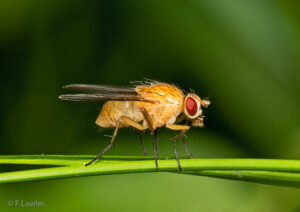
Image Courtesy of Flickr. How did Ken and Barbie make their way into the genome? In the podcast Science Friday, “Science Diction” host and producer